
Discover the ultimate history of hibiscus tea: Pharaoh’s celebration night.
History of Hibiscus Tea: A Celebration on the Brink of Disaster
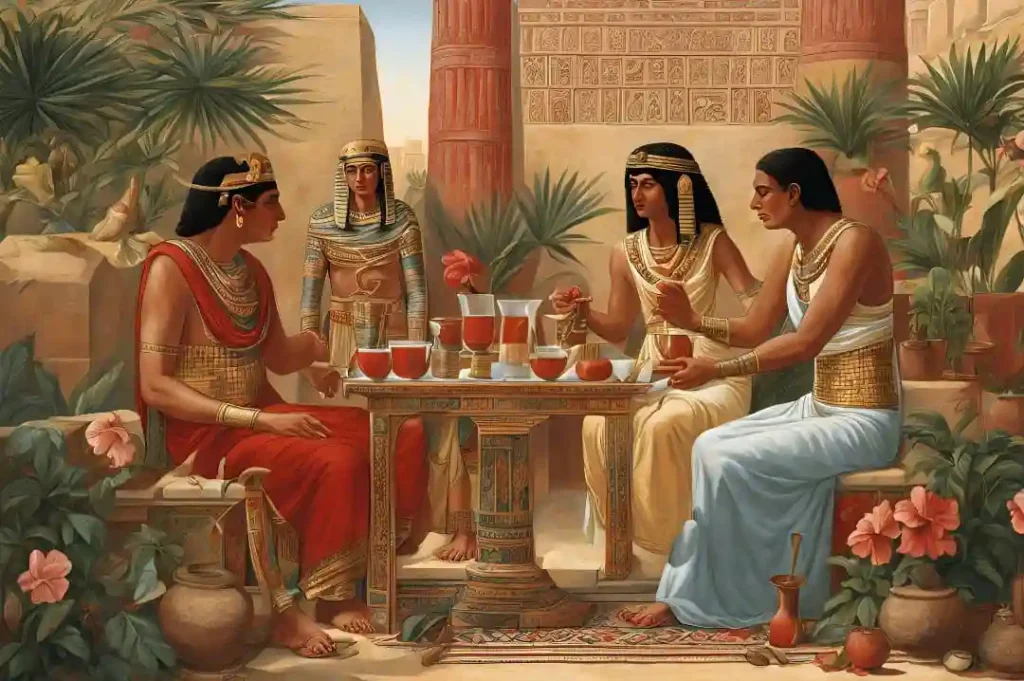
Long before modern parties and luxury gatherings, celebrations in ancient Egypt were grand, vibrant, and deeply symbolic. Picture a royal banquet hall glowing under torchlight. Gold-lined goblets shimmered. Musicians played soft melodies. Guests dressed in linen and jewels laughed and feasted.
But on one unforgettable night, something went wrong.
The wine – meant to flow endlessly – ran out.
At a royal celebration hosted by a powerful pharaoh, this was more than a small inconvenience. It was a potential embarrassment. In ancient Egypt, hospitality reflected power. A failed feast could signal weakness.
So, what saved the night?
A deep red, tangy drink made from dried petals.
Hibiscus.
History of Hibiscus Tea: More Than Just a Drink
The history of hibiscus tea stretches back thousands of years. In ancient Egypt, hibiscus – known today as karkade – was not just a beverage. It was a symbol of luxury, vitality, and status.
Priests and royals drank it cold to cool down under the desert sun. They also served it hot during cooler evenings. Its bold color made it look like wine, but its refreshing taste made it even more valuable.
Because of this, hibiscus tea quickly became a trusted alternative when traditional drinks were scarce.
And on that legendary night, it stepped in at the perfect moment.
History of Hibiscus Tea: How Hibiscus Saved the Celebration
As the story goes, palace attendants rushed to prepare a substitute drink. They steeped dried hibiscus petals in water, creating a rich crimson liquid. Then they sweetened it lightly and served it in golden cups.
At first, guests were surprised.
Then, something remarkable happened.
They loved it.
The drink was refreshing. It was vibrant. It felt new yet luxurious. Soon, laughter returned. Conversations continued. The celebration lived on – stronger than before.
What could have been a disaster became unforgettable.
All thanks to hibiscus tea.
Why Hibiscus Tea Stood Out
Hibiscus tea wasn’t just a replacement. It offered qualities that made it exceptional:
Bold color that rivaled fine wine
Naturally refreshing taste perfect for large gatherings
Versatility, served hot or cold
Cultural richness tied to tradition and prestige
Because of these features, hibiscus tea earned its place in history – not as a backup, but as a staple.
From Pharaohs to Modern Tables
Fast forward to today, and the legacy continues.
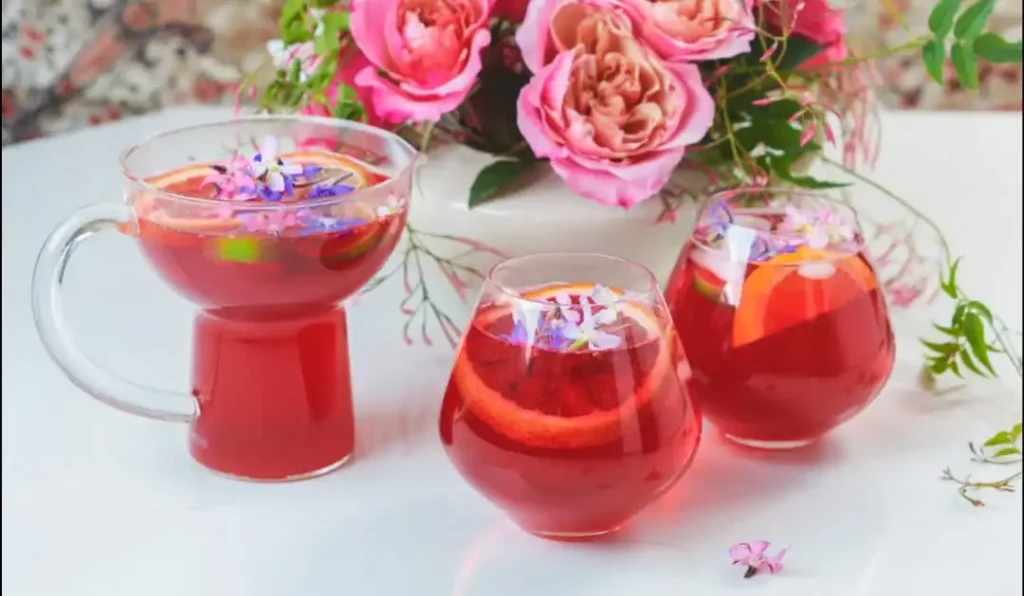
Hibiscus tea is now enjoyed across the world – from casual home settings to elegant gatherings. Its rich color still catches attention. Its taste still delights guests.
And just like in ancient Egypt, it has the power to elevate any occasion.
Whether you’re hosting friends, planning a quiet evening, or creating a memorable moment, hibiscus tea brings a sense of tradition and style.
The Timeless Appeal of Hibiscus Tea
Even now, the story resonates because it highlights something simple yet powerful:
Great moments don’t depend on perfection.
They depend on creativity – and the right touch.
Hibiscus tea has always been that touch.
It transforms ordinary situations into memorable experiences. It adds color, flavor, and a story worth sharing
Taste the Legend Yourself
That ancient celebration may be long gone, but the experience doesn’t have to be.
Bring history to your table. Create your own unforgettable moments. Serve something bold, vibrant, and timeless.