
Discover matcha vs coffee benefits for energy and focus, and why matcha delivers calm, steady energy without crashes or anxiety.
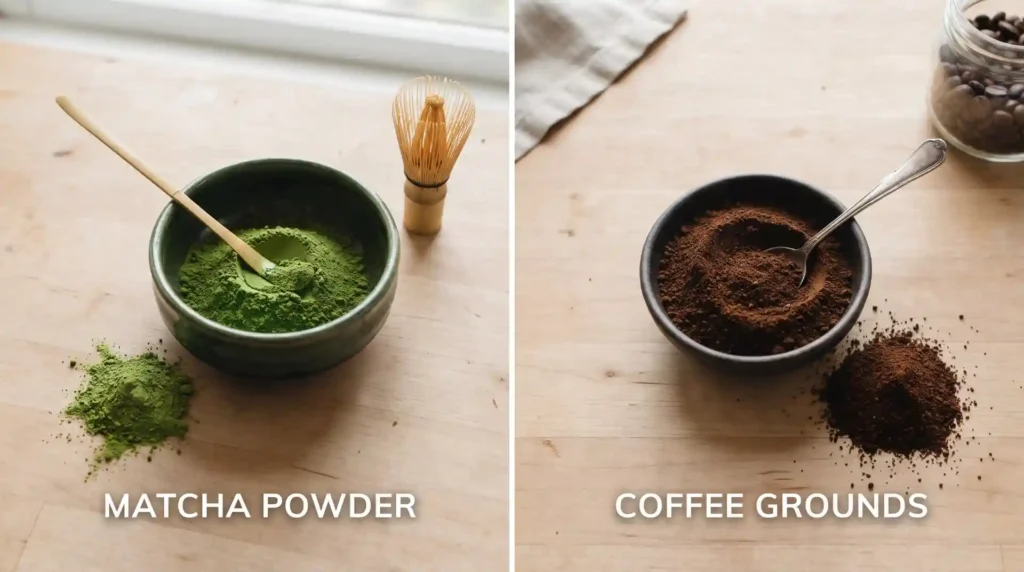
Matcha Vs Coffee: The Energy Struggle We All Know
You wake up tired. Groggy. Already mentally drafting your to-do list while reaching for that first cup of coffee. For millions of people, coffee is the default morning ritual. It delivers a quick jolt – that familiar buzz that kicks your brain into gear. Caffeine in coffee is rapidly absorbed, spiking alertness, dopamine, and cortisol for a fast energy boost.
But then reality hits. An hour or two later (sometimes sooner), the effects wear off. You crash – feeling more tired than before, irritable, or foggy, and many experience jitters, a racing heart, or rising anxiety. The cycle repeats: another cup, another spike, another drop. By mid-afternoon, you’re drained, reaching for more caffeine or sugar to function. This rollercoaster is all too familiar in our high-pressure, always-on world.
Matcha Changes the Game
Matcha flips the script. This vibrant green powder, made from finely ground shade-grown tea leaves, offers a fundamentally different experience. You don’t get slammed with energy – you get supported by it.
A typical serving of matcha contains around 30-70 mg of caffeine (depending on preparation and quality), often less than a standard cup of coffee (which can range from 60-100+ mg). But the real magic isn’t just the amount – it’s how the caffeine works in matcha.
Matcha naturally contains high levels of L-theanine, an amino acid that promotes relaxation without drowsiness. L-theanine works synergistically with caffeine: it slows caffeine absorption, leading to a gentler, more sustained release. This combination produces “alert calmness” – focused energy that lasts 4-8 hours without the harsh peaks and valleys.
Studies show that the caffeine + L-theanine pairing improves attention, reduces mental fatigue, and enhances cognitive performance more effectively than caffeine alone.
Focus Without the Chaos
Matcha vs coffee: Imagine starting your workday with crystal-clear thinking and steady concentration, free from distractions or that underlying tension. That’s the matcha advantage for energy and focus.
L-theanine encourages alpha brain waves, associated with a state of “wakeful relaxation” – similar to the calm focus achieved in meditation. This helps reduce distractions, sharpen attention, and support better memory and task performance.
In contrast, coffee’s rapid caffeine surge can overstimulate the nervous system, leading to anxiety, restlessness, or difficulty sustaining attention once the initial boost fades. Many people report feeling “wired but tired” after multiple cups. Matcha users often describe sustained productivity without the mental chatter or burnout.
Whether you’re powering through deep work, studying, or creative tasks, matcha supports a smoother cognitive flow. Research on matcha consumption has linked it to slight improvements in attention, episodic memory, and overall cognitive function, especially under stress.
Why Your Body Prefers Matcha
Coffee can be harsh on the system for some people. Its acidity may irritate the stomach, and the cortisol spike can contribute to stress over time. The crash often leaves you feeling depleted as your body recovers from the artificial high.
Matcha works with your body in several ways:
- Sustained Energy & Metabolism Support: The slow-release caffeine, combined with antioxidants like EGCG (epigallocatechin gallate), may support fat oxidation and metabolic health without draining your adrenal system.
- Powerful Antioxidants: Matcha is exceptionally rich in catechins and other polyphenols – often more so than regular green tea because you consume the whole leaf. These compounds combat oxidative stress, support cellular health, and may contribute to long-term benefits for the brain, heart, and overall vitality.
- Stress Reduction: Multiple studies highlight matcha’s ability to lower stress and anxiety markers, thanks to L-theanine and the balanced ratio of compounds. One study even noted reduced anxiety during high-stress periods like exams or demanding work.
- Gentler on Digestion & Nerves: Fewer jitters, less acidity for many, and no harsh withdrawal when used mindfully.
Your body feels nourished and supported rather than repeatedly shocked and recovered.

Additional Matcha vs Coffee Benefits
Beyond energy and focus, here’s a quick comparison:
| Aspect | Coffee | Matcha |
|---|---|---|
| Energy Release | Rapid spike + crash | Slow, sustained (4-8 hours) |
| Focus Quality | Intense but potentially jittery | Calm, clear, distraction-resistant |
| Anxiety Risk | Higher for sensitive individuals | Lower due to L-theanine |
| Antioxidants | Moderate | Very high (EGCG & more) |
| Other Nutrients | Minimal | Vitamins, fiber, chlorophyll, amino acids |
| Addictiveness | Can lead to dependence | Generally milder tolerance build-up |
The Lifestyle Shift You Didn’t Expect
Matcha vs coffee: Switching to matcha often becomes more than a beverage change – it transforms your daily rhythm. Mornings feel intentional: whisking the vibrant powder in a bowl, inhaling its earthy aroma, and setting a calmer tone for the day. Afternoons stay productive without the 3 PM slump. Evenings wind down more naturally because your nervous system isn’t overstimulated.
Many report better sleep quality over time (despite the caffeine), improved mood stability, and a greater sense of control over their energy. It fits beautifully into mindful routines like journaling, yoga, or focused work blocks.
Final Thought: Choose Energy That Lasts
Matcha vs coffee: You don’t need more caffeine. You need better energy – steady, calm, and reliable. Matcha delivers exactly that: a powerful upgrade that enhances focus, supports your body, and eliminates the chaos of the typical coffee cycle.
Once you experience the smooth, sustained vitality of high-quality matcha, going back to the old spikes and crashes feels almost impossible. Your mornings (and your productivity) will thank you.
Ready to make the switch? Start with a high-quality ceremonial-grade matcha and experiment with your ideal ratio (traditional whisking or a creamy latte). Your calm, focused future self is waiting.
Note: Individual results vary. Consult a healthcare professional if you have caffeine sensitivities or medical conditions.