
Learn how to stop procrastinating: You know exactly what you need to do. Yet you scroll, clean, or suddenly feel the urge to organize your socks instead. You tell yourself, “just five more minutes,” or “I’ll do it later.” And later never arrives.
This pattern feels frustrating. It creates guilt, and it can build stress over time. However, you are far from alone. Many people face the same daily battle. The good news is that you can learn how to stop procrastinating with a few practical strategies that genuinely help.
How to Stop Procrastinating: Why Procrastination Happens
Procrastination is rarely about laziness. Instead, it often works as a way to avoid uncomfortable feelings. Overwhelming, boring, scary, or unclear tasks trigger the urge to look away. Putting the task off brings quick relief, even though the problem grows.
Fear of failure, perfectionism, or simply not knowing where to start often hides behind the delay. Additionally, modern distractions, like notifications and endless entertainment, make avoidance easier than ever.
Once you understand these root causes, you can stop beating yourself up. You start solving the real problem instead. Harsh self-criticism usually makes avoidance worse, while a calm, curious attitude makes it easier to try again.
The 5-Minute Rule That Breaks the Cycle
How to stop procrastinating: Start tiny. Tell yourself, “I will only do this for five minutes.” That is all.
This simple trick lowers the mental barrier to starting. Your mind resists big commitments, but five minutes feels safe and doable. Set a timer, open the task, and begin.
Starting is often the hardest part. Once you begin, momentum often builds. Many people keep going long after the timer ends. If you stop at five minutes, that is fine too. You still made progress, and you proved you can start.
This rule works especially well for dreaded tasks, like exercising, writing reports, or cleaning. Try it today.
Here is a quick example. Say you keep avoiding a long email. Instead of promising to “deal with the inbox,” set a timer for five minutes. Write only the subject line and the first two sentences. When the timer rings, notice how you feel. Most people find the task looks far less scary once the first words sit on the page.
How to Stop Procrastinating: Break Big Tasks Into Smaller Pieces
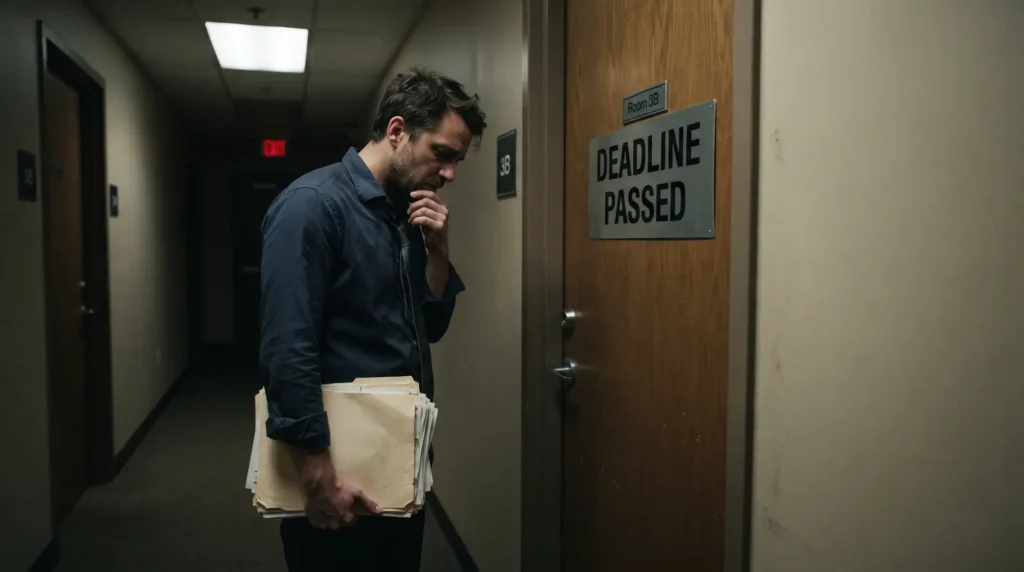
Large projects overwhelm the mind. They feel impossible, so you avoid them entirely. The solution is to break them into tiny, specific actions.
Instead of “finish the entire project,” try steps like these. Open the document. Write the first paragraph. List three main points. Edit one small section.
Each small win builds confidence. As a result, progress feels steady and achievable. You shift from dread to quiet satisfaction. Clear steps also remove the question “where do I even start?” That question alone causes a lot of delay.
When a step still feels too big, shrink it further. “Write the report” becomes “write one sentence.” The smaller the step, the easier it is to begin.
Remove What Distracts You
How to stop procrastinating: Your environment shapes your behavior. If distractions surround you, procrastination wins easily.
Take control of your space. Put your phone in another room, or use “Do Not Disturb” mode. Close unnecessary browser tabs. Clear your desk. Create a dedicated focus zone, even if it is only a corner of the table.
Focus does not happen automatically, so you have to design for it. Many people also benefit from website blockers or noise-canceling headphones. Experiment to find what helps you most. A calm, distraction-free setting makes starting much easier.
Build Better Habits and Routines
How to stop procrastinating: Consistency usually beats motivation in the long run. Motivation rises and falls. Routines keep working on the days when you do not feel like it.
Try the “eat the frog” method. Tackle your hardest task first, before the day’s interruptions pile up. Early in the day, you have fewer emails, messages, and meetings competing for your attention.
Next, pair new habits with existing ones. After your morning coffee or tea, spend ten minutes on your key task. Over time, these connections become automatic. Track your progress in a simple notebook or app. Seeing a streak of completed tasks can motivate you to continue.
Turn a Tea Break Into a Starting Ritual
How to stop procrastinating: A cup of tea can also work as a starting ritual. Brewing and steeping take about five minutes. That matches the 5-minute rule perfectly.
Here is a simple way to try it. Brew a cup of Canny Herbs tea, and set the timer while it steeps. Use those minutes to begin your task, with your phone out of reach. When the timer rings, you will already have started. Then, enjoy your first sip and decide whether to keep going.
To be clear, the tea does not cure procrastination. The ritual simply gives you a clear cue to begin. Choose any herbal tea you enjoy, and check with a doctor first if you are pregnant or take regular medication.
Use Accountability and Rewards
Tell a friend about your goal, or join an accountability group. External commitment adds gentle pressure that helps you follow through.
Additionally, reward yourself after you complete a task. Enjoy a favorite snack, a short walk, or an episode of a show, but only after you finish. This links action with a pleasant feeling, which makes it easier to begin next time.
Plan for Slips, Not Perfection
Everyone has off days. You may skip your five minutes, or lose an afternoon to your phone. That does not mean you have failed. It simply means you are human.
When you slip, restart with the smallest step possible. Open the file. Set the timer. Begin again. Learning how to stop procrastinating is a skill, and every restart makes that skill a little stronger.
When It Is More Than Procrastination
Sometimes, constant delay signals something deeper. If procrastination comes with ongoing anxiety, low mood, or trouble focusing, talk to a doctor or counselor. Support can make a real difference, and asking for it is a sign of strength.
How to Stop Procrastinating: Action Creates Motivation
Stop waiting to “feel ready.” Motivation often follows action, not the other way around. A tiny first step changes how the task feels.
Start small today. Use the 5-minute rule. Break tasks into smaller pieces. Remove distractions. Each step builds confidence and reduces procrastination over time.
You do not need perfect conditions. You only need to begin. Once you start, everything tends to feel easier.
Take action right now. Pick one task you have been delaying, brew a cup of tea, and apply the 5-minute rule. Your future self will thank you.
Small, consistent actions add up to big results over time.