
If you have ever tried learning how to make traditional Japanese matcha, you have probably seen all the beautiful tools. Bamboo whisks. Ceramic bowls. Tiny scoops. Honestly, it can feel intimidating.
But here is the truth. You do not need any of that to enjoy smooth, rich, café-style matcha at home. In fact, with the right technique, you can turn a simple mug into your own mini tea ceremony – no stress, clumps, or frustration.
Why Matcha Feels Hard (But Doesn’t Have to Be)
How to make traditional Japanese matcha: Most beginners struggle with the same problem first. Their matcha turns out clumpy.
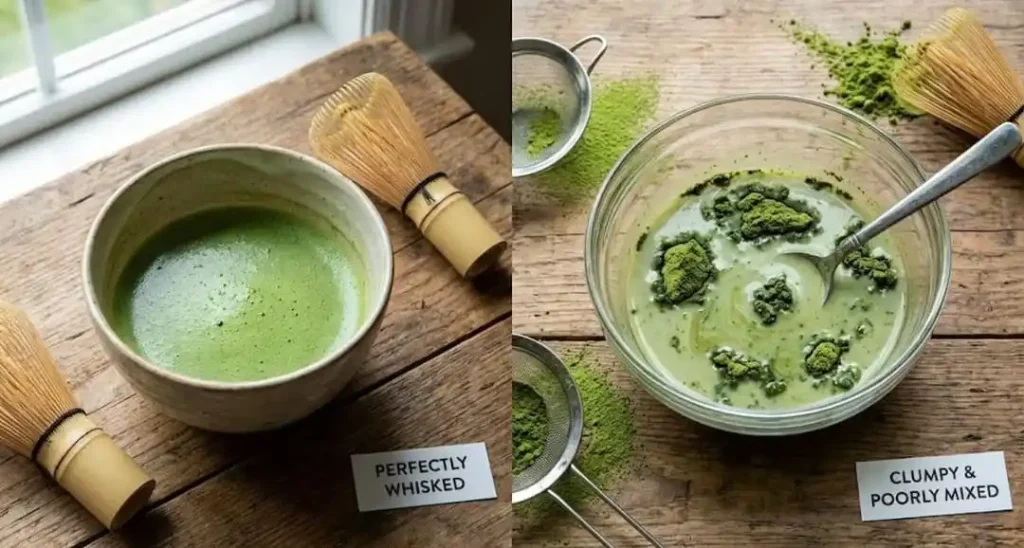
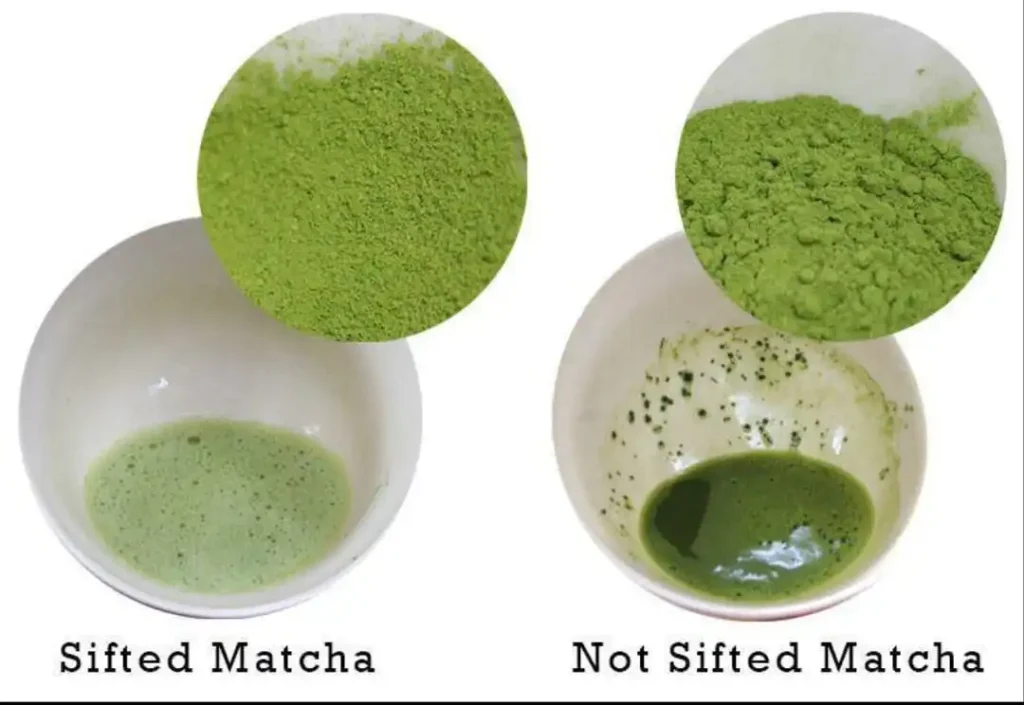
Clumps usually appear for three reasons. First, the powder was not sifted. Second, the water was too hot. Third, the person stirred the drink instead of whisking it. As a result, you get a gritty, uneven texture instead of a silky cup.
However, once you fix these small details, everything changes. The good news is that each fix takes only a few seconds. So, you can improve your matcha tonight without buying anything new.
Show Image
What You Actually Need to Learn How To Make Traditional Japanese Matcha
How to make traditional Japanese matcha: You do not need traditional tools to learn how to make traditional Japanese matcha. Keep the setup simple. You need a cup or mug, a spoon or a small whisk, warm water, and high-quality matcha powder. That is all.
A few extras can help, though. A small fine-mesh sieve breaks up clumps before they start. A lidded jar or a handheld milk frother can replace the bamboo whisk. Still, none of these items is required to get started.
Step-by-Step: How To Make Traditional Japanese Matcha
Step 1: Start with quality matcha
First, add half a teaspoon to one teaspoon of matcha powder to your cup. If you have a small sieve, sift the powder through it first. This simple step removes lumps early.
Quality matters here more than most people expect. A premium powder affects the taste, the color, and the smoothness of your drink. Because of that, a better powder makes every other step easier.
Step 2: Add a small amount of warm water
Next, pour in about two tablespoons of warm water. Aim for roughly 70 to 80°C. If you boil your kettle, let the water rest for a few minutes before you pour.
Avoid boiling water. Otherwise, your matcha may taste bitter. Warm water, on the other hand, brings out a smoother and gentler flavor.
Step 3: Mix into a paste first
Now, resist the urge to add all the water at once. Instead, stir slowly until the powder forms a thick, smooth paste.
This step matters for two reasons. It breaks up stubborn clumps early. It also gives you a smoother texture in the final cup. In short, the paste is the secret behind silky matcha.
Step 4: Whisk or stir vigorously
Then, add about three-quarters of a cup of warm water and whisk fast. Speed is the key. Slow stirring leaves powder behind, while quick movement blends it evenly.
If you do not own a bamboo whisk, you have several options. You can move a spoon in a quick zigzag pattern. You can use a small regular whisk or a handheld frother. Or you can shake the matcha in a closed jar. If you choose the jar, keep the water warm rather than hot, hold the lid firmly, and open it carefully afterward.
The goal stays the same in every case. Create a light foam on top.
Step 5: Enjoy immediately
Finally, drink your matcha right away. Matcha settles quickly, so a fresh cup gives you the best experience. If the powder sinks, give it a quick stir and sip again.
Pro Tips for Perfect Matcha Every Time
How to make traditional Japanese matcha: To truly master how to make traditional Japanese matcha, keep a few habits in mind.
Always sift your matcha if you can. Use warm water, not boiling water. Mix in stages, with a paste first and the rest of the water second. Whisk fast, not slow. And choose good matcha, because it foams better and tastes better.
Consistency helps, too. For example, use the same cup, the same amount of powder, and the same water temperature for a few days. Then, adjust one detail at a time. In this way, you learn exactly what changes your results.
Show Image
Why Quality Matcha Changes Everything
How to make traditional Japanese matcha: Here is something many people overlook. Even with perfect technique, low-quality matcha can still taste dull and look flat.
Premium matcha, on the other hand, tends to blend more easily. It usually produces a natural foam. It shows a brighter green color. And it often tastes smoother, with less bitterness. Consequently, you spend less time fixing problems and more time enjoying your cup.
So, instead of struggling with clumps and weak flavor, you get steady, satisfying results. That is why the powder you choose matters as much as the method you follow.
Common Problems and Easy Fixes
Even with a good method, small hiccups can appear. Fortunately, most come with a quick fix.
Lumpy texture usually means the powder needs a finer sift, or the paste needs a bit longer to smooth out. A bitter taste often points to water that ran too hot, or a touch too much powder in the cup. A flat, foamless top calls for a faster whisking motion and a wider cup, so the froth has space to build. And a drink that sinks quickly just needs a fresh stir, or a sooner sip.
Give yourself some grace along the way. An early attempt might look a little rough around the edges. By the third or fourth try, though, your hands pick up the rhythm, and the whole process starts to feel natural.
Make It Your Own
Once you feel confident, you can play with your matcha. For a latte, whisk the matcha with a small amount of water first. Then, add warm milk or a plant-based milk and stir well. For an iced version, pour the whisked matcha over ice and add cold water or milk.
Some people prefer a stronger cup. Others like a lighter one. Either way, small changes in powder and water let you find your own balance. Additionally, you can turn the process into a calm daily pause, with no phone and no rush.
Final Thoughts
Learning how to make traditional Japanese matcha does not require expensive tools or complicated rituals. Instead, it comes down to three simple things. Use a steady technique. Choose the right water temperature. And start with quality ingredients.
Once you get these right, making matcha becomes easy, enjoyable, and something you look forward to every day.
Skip the frustration. Try Canny Herbs matcha and enjoy a silky cup at home.