Hibiscus tea for liver health: see what research says about the “detox” claims, plus healthy liver habits, brewing tips, and safety notes.
There are days when you just feel off. Your energy is low. Your body feels sluggish. A general heaviness settles in that you cannot explain.
Many people wonder whether their body needs a “detox.” That question leads some to hibiscus tea, since it appears in so many wellness articles. In this guide, you will learn what the research really says about hibiscus tea for liver health, what it cannot do, and which habits genuinely support your liver.
Hibiscus Tea for Liver Health: When Your Body Feels Overloaded
Feeling tired and heavy is common. Usually, ordinary causes explain it. Poor sleep, stress, a busy schedule, and meals low in nutrients can all leave you feeling off.
However, it is not always what you eat or drink. Sometimes, medical causes play a part. For this reason, persistent tiredness deserves a conversation with a doctor, not just a new tea.
What Your Liver Really Does
Hibiscus tea for liver health: Your liver works constantly. It filters your blood, processes nutrients, and helps your body handle medicines and other substances. Your kidneys, lungs, skin, and gut also help remove waste.
In other words, your body already has a built-in cleaning system. You do not need to switch it on. Instead, you can support it with everyday habits and avoid putting extra strain on it.
Hibiscus Tea for Liver Health: Does Hibiscus Tea Detox Your Body?
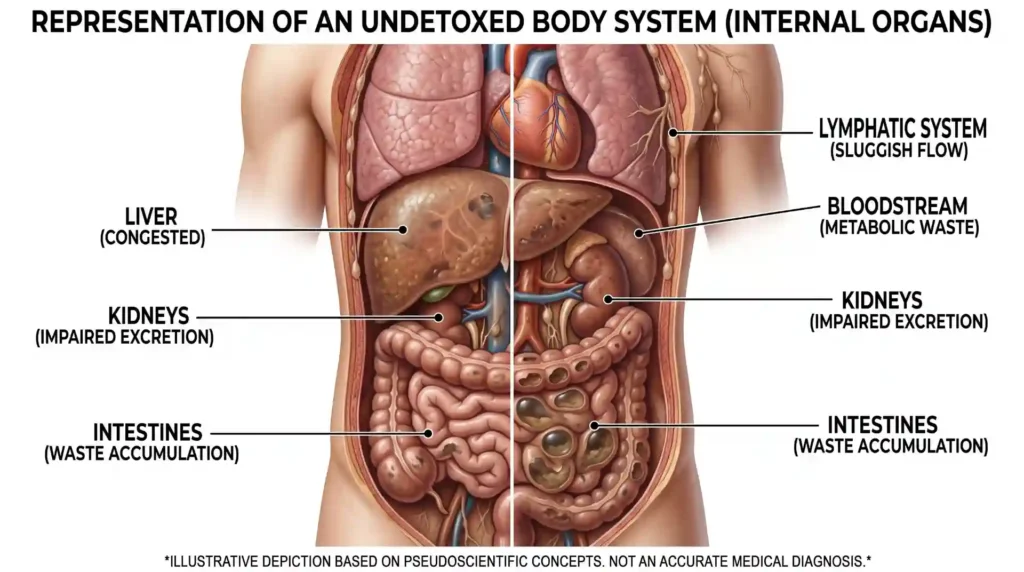
Many products promise a detox. Hibiscus tea is often among them. The honest answer, however, is that no tea has been shown to detox the body. Your liver and kidneys do that job all day long.
Hibiscus tea is still a pleasant drink. It is caffeine-free, tart, and a beautiful ruby color. But the idea of hibiscus tea detox is better treated as marketing than as science. Be careful with any product that claims to flush toxins or cleanse your organs.
What the Research Says About Hibiscus and the Liver
Hibiscus tea for liver health: Researchers have studied hibiscus and the liver, and some of the results are interesting. Here is what stands out.
In animal studies, hibiscus extract has shown protective effects against liver injury caused by substances like paracetamol, also called acetaminophen. In these studies, rats that received the extract had less liver damage than those that did not. Some small human studies have also looked at hibiscus extracts and liver-related markers.
However, important limits apply. Most studies used concentrated extracts, often in doses far higher than you would get from a cup of tea. Reviews of the research note that more studies are needed to know how hibiscus tea itself affects the liver in people. Also, a few animal studies using very high extract doses have raised questions about liver safety.
So, hibiscus shows early promise in the lab. That is not the same as proof that a cup of tea protects your liver. Treat it as a pleasant drink, not a liver remedy.
This matters for anyone searching for hibiscus tea for liver health. Headlines often turn small animal studies into big promises. A careful reader looks at the dose, the form, and who took part. When the study used rats and a concentrated extract, the result may not carry over to your daily cup.
Why Gentle Habits Beat Extreme Detoxes
Hibiscus tea for liver health: Extreme detox plans often fail. They are hard to keep up, they can stress your body, and they sometimes cause imbalances. Some also rely on laxatives or extreme restriction, which can be harmful.
A gentler approach lasts longer. Instead of forcing your body to “cleanse,” you support its natural systems. You eat well, move regularly, rest, and drink enough fluids. Quiet, steady habits do far more than any dramatic cleanse.
Habits That Genuinely Support a Healthy Liver
If liver health is your goal, these habits have much stronger support than any single drink.
Eat a balanced diet with plenty of vegetables, fruits, whole grains, and lean protein. Limit alcohol, since heavy drinking is a major cause of liver damage. Keep a healthy weight, and stay active, because excess weight can lead to fatty liver. Take medicines exactly as directed. For example, never exceed the recommended dose of paracetamol, since overdose can harm the liver.
Also, be careful with herbal and dietary supplements, especially concentrated extracts. Some can strain the liver. Finally, ask your doctor about vaccination against hepatitis, and avoid sharing needles or personal items that carry blood.
How to Enjoy Hibiscus Tea
Hibiscus tea for liver health: The most honest answer on hibiscus tea for liver health is that it works best as a pleasant part of a healthy lifestyle. If you simply like the taste, enjoy it. Hibiscus tea is easy to make.
Use one teaspoon of dried hibiscus flowers, or one tea bag, per cup. Pour freshly boiled water over the flowers, and cover the cup. Steep for five to ten minutes, then strain. A shorter steep gives a lighter, floral cup. A longer steep makes it tarter. Add a little honey or a squeeze of lemon if you like.
For iced tea, brew it stronger, let it cool, and pour it over ice. It also counts toward your daily fluids, which is one small, genuine benefit.
Hibiscus Tea for Liver Health: Safety Notes
Hibiscus tea suits most healthy adults well. Even so, a few groups should take extra care.
If you take blood pressure medication, check with your doctor first. Hibiscus may lower blood pressure, so it could add to the medicine’s effect. The same applies if you already have low blood pressure. Hibiscus may also lower blood sugar, so people who take diabetes medication should be careful.
If you have liver disease, or you take medicines that your liver processes, speak with your doctor before drinking hibiscus tea regularly. Hibiscus may interact with some medicines.
Pregnancy needs special attention. Some medical sources list hibiscus as possibly unsafe during pregnancy, and safety information for breastfeeding is limited. If you are pregnant or nursing, check with your doctor first.
When to See a Doctor
Hibiscus tea for liver health: No tea can replace medical care. See a doctor if you notice yellowing of your skin or eyes, dark urine, pale stools, ongoing stomach pain, or unexplained swelling in your belly or legs. Also speak with a doctor if tiredness lasts for weeks. These signs can have many causes, and they deserve proper attention.
Support, Do Not Force
Hibiscus tea for liver health: Your body already knows how to clean itself. It does not need a dramatic detox. It needs steady, practical support, such as good food, enough sleep, movement, and care with alcohol and medicines.
Hibiscus tea for liver health is best seen as a small, enjoyable part of that lifestyle, not the main event. Enjoy it for its color, its tart flavor, and the calm pause it brings. Ready to try it? Explore Canny Herbs hibiscus tea and brew a ruby-red cup you enjoy.