
Hibiscus tea for stress: There are days when life just feels heavy. Deadlines pile up. Messages keep coming. Expectations never seem to end. The noise gets louder, and somehow, you get quieter.
Then, almost gently, a cup of hibiscus tea enters the moment. It sits there, deep red and calm. It feels like a pause button. In this guide, you will learn what the research says about hibiscus tea for stress and for heart health, what it cannot do, and how to enjoy it safely.
Why Hibiscus Tea Feels Like Self-Care in a Cup
Hibiscus tea for stress: At first glance, hibiscus tea looks beautiful. Its rich ruby color pulls you in. Its tart, fruity flavor wakes up your senses. It is also caffeine-free, so you can enjoy it at any time of day.
More than that, preparing a cup gives you a reason to stop. You boil the water, watch the color bloom, and wait. That small ritual can feel like self-care. In a fast-moving world, a few quiet minutes mean a lot.
Does Hibiscus Tea Relieve Stress?
Hibiscus tea for stress: Here is the honest answer about hibiscus tea for stress. I found no good human trial showing that hibiscus tea lowers stress or anxiety. Some laboratory studies have looked at hibiscus and calm behavior in animals. That is not the same as proof in people.
So, why do many people feel calmer after a cup? The ritual probably deserves most of the credit. Slowing down, holding a warm cup, and breathing deeply can ease tension, whatever is in the cup.
You may also read that hibiscus antioxidants fight “internal stress.” Be careful with this phrase. Oxidative stress is a chemical process in cells. It is different from the emotional stress you feel after a hard day. Reducing one does not necessarily reduce the other.

Hibiscus Tea and Heart Health: What the Research Shows
Hibiscus tea for stress: Heart health is where hibiscus has its best evidence, so hibiscus tea for heart health deserves a closer look. The most consistent finding involves blood pressure.
A 2022 systematic review and meta-analysis pooled 17 randomized trials. It found that hibiscus lowered systolic blood pressure, the top number, by about 7 mmHg on average. In one well-known trial from Tufts University, 65 adults with mildly raised blood pressure drank three cups of hibiscus tea a day for six weeks. Their blood pressure fell by an average of about 7 percent, compared with about 1 percent in the placebo group.
These results are encouraging. However, keep the limits in mind. The effects were modest, and they were strongest in people whose blood pressure was only mildly raised. The studies used about three cups a day, and they lasted weeks, not years. Researchers have not shown that hibiscus tea prevents heart attacks or strokes.
Cholesterol results are less clear. Some reviews report small improvements, while others find none, and some used supplements rather than tea. For this reason, treat the cholesterol claim with caution.
So, hibiscus tea may be a helpful daily habit alongside medical care. It is not a treatment, and it does not replace medicine.
How Stress and Blood Pressure Connect
Hibiscus tea for stress: Stress and blood pressure are linked, which may explain why the two topics often appear together. Stress can raise your blood pressure for a short time. Over the long term, ongoing stress is linked with habits that raise blood pressure, such as poor sleep, less movement, and unhealthy eating.
This link is one reason to care for both. Calming your mind and caring for your heart often go hand in hand. Still, a single drink will not solve either problem. Lifestyle, sleep, and medical care make the biggest difference.
A Gentle Ritual That Grounds You
Hibiscus tea for stress: In a fast-moving world, slowing down can feel unnatural. Yet a short, regular pause can help you reset.
Try this simple ritual. Brew a cup of hibiscus tea, and put your phone away. Sit somewhere comfortable. Hold the warm cup in both hands, and breathe in the fruity steam. Take slow breaths. Then, sip, and let your thoughts settle. Even five minutes can make a difference.
Many people find that this kind of pause helps them feel more present. The tea becomes a cue, and the pause does the work.
Habits That Support Calm and a Healthy Heart
Hibiscus tea for stress: If calm and heart health are your goals, these habits have much stronger support than any single drink.
Move your body regularly, since activity supports both mood and blood pressure. Eat a varied diet with plenty of fruits, vegetables, and whole grains, and keep salt moderate. Sleep well, and keep a steady routine. Limit alcohol, and avoid smoking. Stay connected with people you trust. Finally, have your blood pressure checked regularly, since high blood pressure often causes no symptoms.
Hibiscus Tea For Stress: How to Brew a Soothing Cup
Making hibiscus tea is simple.
Use one teaspoon of dried hibiscus flowers, or one tea bag, per cup. Pour freshly boiled water over it, and cover the cup. Steep for five to ten minutes, then strain. A shorter steep gives a lighter, floral cup. A longer steep makes it tarter. Add a little honey or lemon if you like. For iced tea, brew it stronger, let it cool, and pour it over ice.
Hibiscus Tea For Stress: Safety Notes
Hibiscus tea suits most healthy adults well. Because it may lower blood pressure, a few groups need extra care.
If you take blood pressure medication, check with your doctor before you drink hibiscus tea regularly. It could add to the medicine’s effect. Never stop or change your medicine on your own. If you already have low blood pressure, hibiscus might push it lower, so watch for dizziness or fainting.
Hibiscus may also lower blood sugar, so people who take diabetes medication should be careful. It may reduce the absorption of the malaria medicine chloroquine, so avoid it if you take that. Pregnancy needs special attention, since some medical sources list hibiscus as possibly unsafe. Hibiscus should also be stopped at least two weeks before scheduled surgery.
When to See a Doctor
Do not rely on tea to manage blood pressure or heart problems. See a doctor if your blood pressure is high, or if you have headaches, dizziness, or palpitations that keep returning. Seek emergency help right away for chest pain, severe breathlessness, or sudden weakness.
Also speak with a doctor or counselor if stress, worry, or low mood feels constant or overwhelming. Asking for help is a sign of strength.
Choose Yourself, One Cup at a Time
Self-care is not always grand or dramatic. Often, it is quiet and personal. A warm cup, a slow breath, and a few quiet minutes can remind you that you can pause and reset. That is the realistic promise of hibiscus tea for stress: a calm ritual, not a cure.
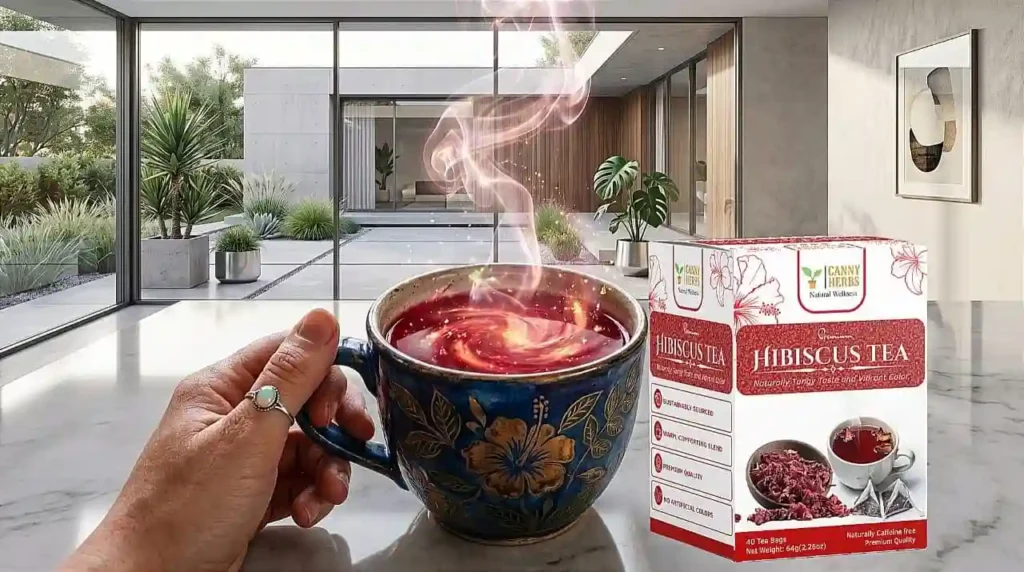
Hibiscus tea for stress and heart health can be a lovely part of that routine, and the research on blood pressure is genuinely interesting. It is not a cure for stress, and it does not replace medical care. Ready to try it? Explore Canny Herbs hibiscus tea, and brew a calm cup today.