
Explore the color psychology of tea. Learn how red hibiscus tea energizes your mind while green matcha tea brings calming focus to your day.
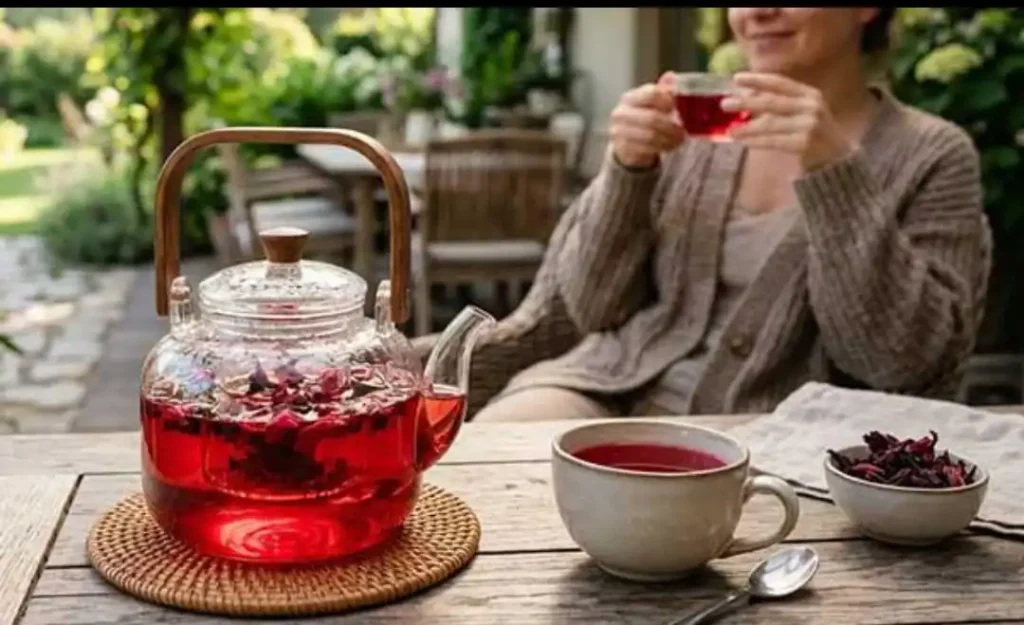
Color psychology of tea: Have you ever noticed how specific colors make you feel an immediate emotional shift? Bright, fiery red energizes your spirit instantly. Deep, earthy green calms your mind completely. Now, imagine holding those distinct colors in your hands and drinking them mindfully.
Tea is far more than a simple hot beverage. It is a sensory journey that influences how you think, feel, and function throughout the day. From the bold, ruby-red glow of dried hibiscus petals to the serene emerald swirl of ceremonial matcha, your daily cup shapes your emotional state before you take your first sip.
So, what is really happening inside your mind when you pour a cup? Let us explore how the fascinating color psychology of tea works and how you can intentionally choose your mood in a cup.
The Psychological Power of Visual Cues
Color psychology of tea: Human psychology is deeply connected to visual stimuli, especially color signals. Long before your taste buds register flavor compounds, your brain processes visual information in milliseconds. Visual cues trigger instant emotional responses, chemical releases, and subconscious expectations. Consequently, the appearance of your beverage sets the stage for your entire mental state.
When you prepare a vibrant drink, your visual cortex communicates directly with your brain’s emotional center. This immediate connection triggers physical and psychological shifts. For example, warm hues stimulate alertness and circulatory movement. Conversely, cool botanical shades encourage steady breathing and mental tranquility. Therefore, selecting your tea based on visual characteristics allows you to manage your emotional well-being actively.
Red Hibiscus: Bold, Vibrant, and Full of Life
Color psychology of tea: Red is universally recognized as the color of energy, passion, and vitality. It naturally grabs your attention, stimulates your nervous system, and increases alertness. Naturally, hibiscus tea carries this exact same bold, invigorating personality in every cup.
When you steep dried hibiscus calyces, you are doing more than just hydrating your body. You are actively stimulating your senses. The striking crimson hue lifts your mood instantly because it looks dynamic and refreshing. Most importantly, it feels alive and energizing during sluggish afternoons.
Because of these unique visual and sensory qualities, hibiscus tea is the ideal choice when:
- You feel mentally sluggish and need an immediate refresh.
- You require a caffeine-free boost of physical energy.
- You want something bright, tangy, and uplifting during warm weather.
Additionally, the natural tartness of hibiscus enhances this energizing sensation. The crisp flavor wakes up your taste buds immediately, complementing the lively visual hue of the drink.
Simple Hibiscus Tea Recipe
Making a rich, vibrant pot of hibiscus tea at home is remarkably simple and deeply satisfying:
- Boil Fresh Water: Heat eight ounces of filtered water until it reaches a rolling boil.
- Add Dried Calyces: Place two tablespoons of dried organic hibiscus petals into your teapot.
- Steep Mindfully: Allow the tea leaves to steep for 5 to 10 minutes until the water turns deep crimson.
- Sweeten and Serve: Add a touch of raw honey if desired, then enjoy warm or served over ice.
As a result, you get a stunning drink that energizes your vision and invigorates your daily workflow.
Green Matcha: Calm, Focus, and Inner Balance
Color psychology of tea: Green tells an entirely different emotional story. It represents nature, growth, emotional balance, and restorative clarity. Nothing embodies these tranquil qualities better than finely ground matcha green tea.
Unlike bright red hibiscus, green matcha does not demand attention forcefully. Instead, it soothes your nervous system gently. The deep emerald powder creates a rich suspension that signals relaxation and sustained concentration simultaneously.
Because of its grounding color profile, matcha is the perfect companion when:
- You need sharp, steady focus for complex work tasks.
- You want a calm, balanced start to your busy morning.
- You want to unwind without feeling groggy or tired.
Furthermore, the physical process of preparing matcha adds immense value to the overall experience. Using a traditional bamboo whisk to convert fine powder into a frothy emerald green liquid creates a meditative moment of personal mindfulness.
Why Ground Green Tea Leaves Feel Different
Color psychology of tea: Matcha stands out among green teas because you consume the entire stone-ground tea leaf rather than an infusion. This creates a much richer, more immersive sensory experience overall:
- Velvety Texture: The finely ground leaves create a smooth, creamy mouthfeel.
- Complex Flavor: The taste profile balances rich umami notes with subtle natural sweetness.
- Visual Harmony: The vibrant green shade enhances an immediate sense of emotional harmony.
Altogether, preparing matcha is more than making a quick drink – it is a grounding daily ritual.

Red vs. Green: Choosing Your Mood
Color psychology of tea: Now comes the most practical part: intentionally choosing the tea that matches your emotional needs. By treating color as a functional tool, you can align your drinks with your daily schedule effortlessly.
| Desired Emotional State | Ideal Tea Selection | Primary Psychological Trigger |
| Energized & Lively | Red Hibiscus Tea | Vibrant red hues stimulate vitality and circulatory flow. |
| Calm & Centered | Green Matcha Tea | Natural green tones promote mental balance and calm. |
| Refreshed & Alert | Iced Hibiscus Tea | Crisp, tangy notes wake up tired senses instantly. |
| Grounded & Focused | Warm Matcha Tea | Rich micro-foam encourages steady, sustained focus. |
In other words, your drink selection becomes completely intentional. You are no longer just consuming liquids out of habit; you are actively shaping your emotional environment.
Color Psychology Of Tea: The Simple Science Behind Color Association
The science behind visual color psychology affects your brain chemistry before logical thought occurs. Red visual wavelengths stimulate the autonomic nervous system, slightly increasing pulse rate and alertness. Meanwhile, green visual wavelengths encourage the release of calming neurotransmitters, reducing stress and improving cognitive focus.
Consequently, when you look at a glass of bright red hibiscus tea, your mind naturally prepares for active stimulation. On the other hand, when you gaze into a bowl of rich green matcha, your brain shifts toward steady composure. Remarkably, these subtle neurological responses begin before you take your very first sip.
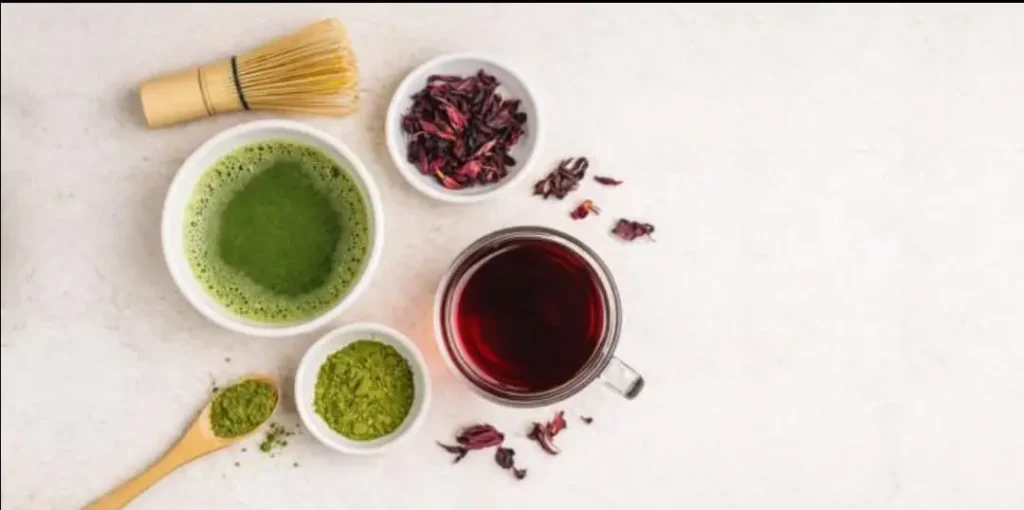
Color Psychology Of Tea: Make Herbal Tea Part of Your Daily Ritual
Instead of reaching for random sugary drinks or extra coffee shots, pause and ask yourself one simple question each day:
“How do I want to feel right now?”
Once you identify your desired mood, choose your tea accordingly:
- Morning Motivation: Choose vibrant red hibiscus to jump-start your physical energy.
- Midday Productivity: Choose rich green matcha to maintain sharp mental focus.
- Evening Calm: Choose warm, gently whisked green tea to soothe daily stress.
Over time, this mindful habit transforms your standard drink breaks into rewarding personal wellness rituals.
Color Psychology Of Tea: Choosing Premium Botanical
To get the most out of your daily mood rituals, sourcing pure, high-grade botanical is essential. Low-quality teas often lack rich natural pigments and vibrant flavor profiles, diminishing both visual appeal and taste.
For the best sensory experience, explore Canny Herbs hibiscus and matcha products. Canny Herbs carefully selects fresh, shade-grown tea leaves and vibrant hibiscus calyces to preserve natural color, aroma, and rich botanical compounds. By combining premium ingredients with the color psychology of tea, you can elevate your daily routines into rewarding moments of balance and vitality.