
Try the ancient Roman peppermint tea recipe still used today. This simple after-meal ritual refreshes and resets in minutes.
Peppermint Tea Recipe: A Timeless Tradition That Still Delivers
After indulgent feasts filled with rich meats, bread, and wine, the ancient Romans had a simple but powerful ritual. They reached for peppermint.
Yes, long before modern wellness trends, this peppermint tea recipe was already a trusted after-meal companion. It was not complicated. It was not fancy. But it worked.
Today, that same peppermint tea recipe still holds its place as one of the easiest, most refreshing ways to end a meal on a light, satisfying note.
So, what exactly made this tradition so effective? And why should you start doing it too?
Why Peppermint Was a Roman Favorite
Peppermint was not just another herb in ancient Rome. People valued it for its refreshing aroma, its cooling sensation, and its ability to bring balance after heavy meals.
After eating, Romans often felt overly full. Instead of ignoring that feeling, they turned to nature. Peppermint offered a clean, crisp finish that helped them feel more comfortable and refreshed.
Even today, that same experience remains available to you. One warm cup can shift you from “too full” to “just right” in a matter of minutes.
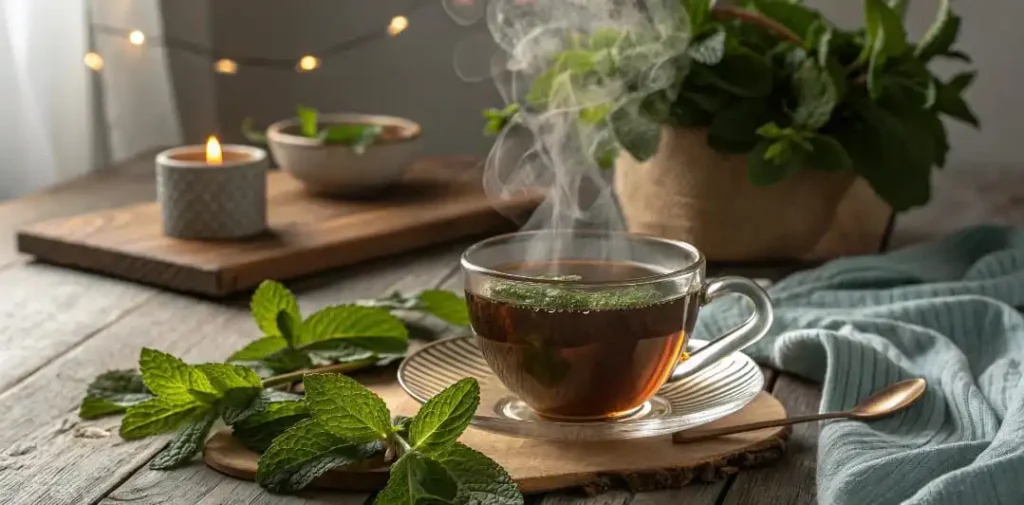
The Original Peppermint Tea Recipe
Let’s bring this ancient ritual into your modern kitchen. The whole process takes only a few minutes.
Ingredients
You need one peppermint tea bag, or fresh mint leaves if you prefer. You need one cup of hot water. Honey or lemon are optional if you want extra flavor.
Instructions
First, boil fresh water until it is hot, but not aggressively bubbling. Next, place your peppermint tea bag in a cup. Then, pour the hot water over it. Let it steep for five to seven minutes. Add honey or lemon if you like. Finally, sip slowly after your meal.
That is genuinely all there is to it. No stress. No complicated steps. Just a soothing, aromatic cup that does exactly what it is meant to do.
Then vs. Now: The Ritual Lives On
What is fascinating here is how little has actually changed. Ancient Romans sat around long tables, enjoying hearty meals with friends and family. Today, we do much the same thing, just in a different setting.
The real difference is this: many people now skip the final step. Instead of ending meals with intention, we rush off, scroll on our phones, or move straight to the next task. However, bringing back this simple peppermint tea recipe can genuinely change how you feel after eating.
It adds a moment of calm. A pause. A small, deliberate reset.
Why This Peppermint Tea Recipe Still Works Today
First, it is incredibly easy to make. Anyone can prepare it in just a few minutes, with no special skill required.
Second, it fits into almost any lifestyle. Whether your meal was heavy or light, formal or casual, this peppermint tea recipe complements it well either way.
Most importantly, it builds a habit. A small, enjoyable ritual signals the end of your meal in a genuinely satisfying way. And in a fast-paced world, that kind of mindful moment feels more valuable than ever.
A Few Ways to Make It Your Own
You do not need a Roman banquet to enjoy this tradition. You can drink it after dinner, as a simple closing note to the meal. Pair it with your evening wind-down routine, right before you settle in for the night. You can serve it to guests after a meal, as a thoughtful, easy gesture. Or, you can turn it into a calming nighttime habit that you repeat most evenings.
The beauty of this peppermint tea recipe lies in its simplicity. It is not just a drink. It is a small experience, repeated on purpose.
A Few Notes on Getting It Right
Water temperature matters more than people expect. If the water is too hot, or boiling too aggressively, it can pull extra bitterness from the leaves. Letting it settle for a few seconds before pouring helps avoid that problem entirely.
Steeping time also shapes the final flavor. A shorter steep, closer to five minutes, gives you a lighter, gentler cup. A longer steep, closer to seven minutes, gives you something a little bolder and more intense. Neither approach is wrong. It simply depends on what you feel like drinking that evening.
Fresh mint leaves behave a little differently than a tea bag, too. If you use fresh leaves, gently bruise them first by pressing them lightly between your fingers. This small step releases more of their natural oils, so the finished cup tastes fuller and more fragrant, closer to what the Romans likely experienced with wild-picked mint growing near their tables.
Upgrade the Experience With Premium Quality
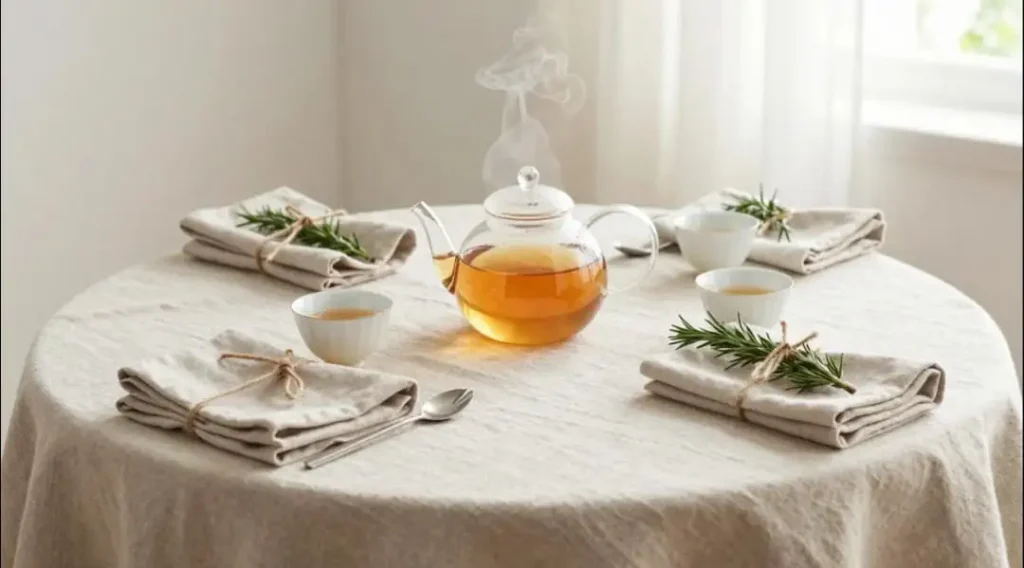
Not all peppermint tea is created equal. For the best flavor and aroma, quality genuinely matters. This is exactly where premium tea bags make a real difference. You get a richer scent, a cleaner taste, and a more satisfying cup every single time.
Cheaper, lower-quality tea bags often lose much of their aroma before they even reach your cup. Better-sourced leaves, on the other hand, hold onto more of their natural character, which is exactly what gives peppermint tea its signature crispness. That difference becomes obvious the moment you compare two cups side by side, one brewed from a tired, dusty bag and one from fresh, well-stored leaves.
The ancient Romans understood something we often forget today. How you end a meal matters just as much as how you begin it. A rushed finish leaves little impression. A calm, intentional one tends to stay with you.
So tonight, try something a little different. After your next meal, skip the rush. Instead, steep a cup, sit for a few quiet minutes, and let this ancient peppermint tea recipe do exactly what it has done for centuries, long before anyone called it self-care.
Ready to start your own ritual? Try Canny Herbs peppermint tea and bring this timeless, after-meal tradition right into your own kitchen.