
Matcha vs. coffee: discover why this Japanese matcha powder gives steady focus and calm energy without the afternoon crash.
Matcha delivers calm, steady energy that genuinely stands out from ordinary caffeinated drinks. Many people struggle with afternoon crashes, or that jittery, wired feeling that follows a second or third coffee. Premium options like Canny Herbs Japanese matcha powder offer a different experience. This vibrant green powder comes from shade-grown tea leaves. It offers more than flavor alone. You gain focus, antioxidants, and a gentler kind of vitality in every sip.

Matcha vs Coffee: Why the Leaf Itself Makes a Difference
Matcha vs. coffee: Japanese matcha powder starts with how it is actually produced, long before it ever reaches a cup. Farmers shade the tea plants before harvest, on purpose. This step boosts several key compounds in the leaf. Regular steeped green tea uses leaves that you discard after brewing. Matcha, by contrast, lets you consume the entire leaf itself. As a result, you take in meaningfully more of the plant’s natural compounds per serving.
This is also where matcha starts to separate itself from coffee. The natural caffeine in matcha works more gradually than a straight shot of espresso. Research shows it pairs with L-theanine, an amino acid that promotes calm alertness alongside that caffeine. Multiple studies on this specific combination report steadier focus, without the sharp spike and crash that coffee often produces. Many people describe feeling focused yet relaxed at the same time, rather than wired.
In contrast, regular green tea offers milder effects overall, simply because you are drinking an infusion rather than the whole leaf. Matcha delivers meaningfully higher levels of catechins and chlorophyll by comparison. Switching from coffee to matcha often feels like a genuine shift in how your energy actually unfolds across the day, rather than spiking sharply and then dropping just as fast.
Matcha vs Coffee for Brain Power and Focus
Matcha vs. coffee: Matcha tends to shine specifically around mental performance, particularly during long or demanding tasks. Research on the combination of caffeine and L-theanine shows real improvements in attention and reaction time, more so than caffeine taken alone. Some studies also link this combination to changes in alpha brain wave activity, associated with calmer, more focused attention. You tend to stay sharp without that overstimulated, wired feeling coffee can sometimes bring.
Matcha may also offer some gentle support for mood. Some research suggests L-theanine can ease mild anxiety for certain people, since it works alongside caffeine rather than against it. That said, this is a modest effect, not a guaranteed one, and matcha will not resolve clinical anxiety on its own. For people especially sensitive to caffeine, it is still worth noting that caffeine itself can occasionally worsen anxious feelings, even with L-theanine present alongside it in the same cup.
Canny Herbs matcha powder maintains high-quality standards throughout its production. Each batch aims to preserve these naturally occurring compounds as closely as possible, from harvest through to your cup.
Daily Rituals Using Japanese Matcha Powder
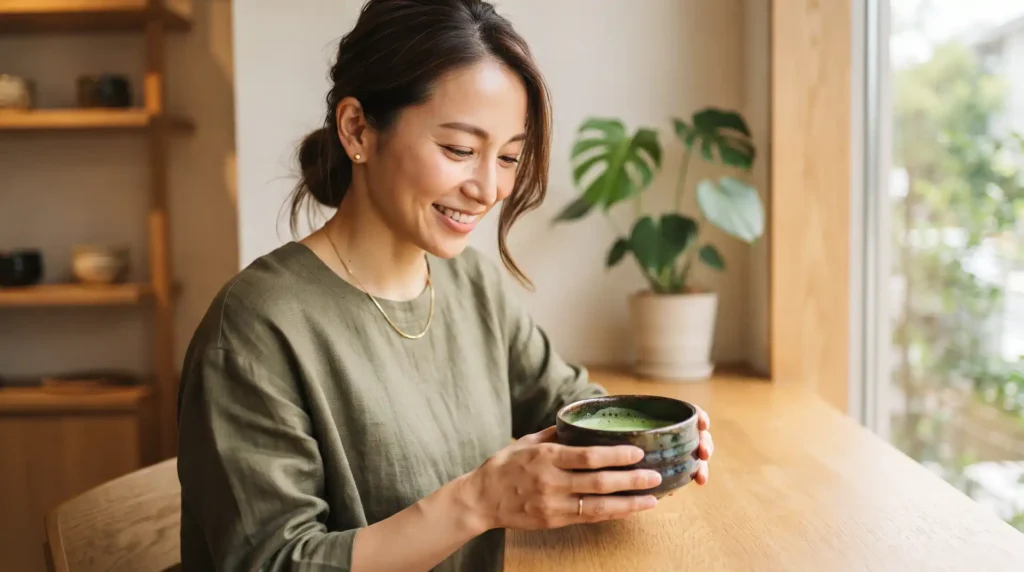
Matcha vs. coffee: Start your morning with a simple matcha ritual instead of your usual coffee. Whisk one teaspoon of Canny Herbs matcha into hot water. Create a smooth, lightly frothy latte. Add a splash of milk, or a plant-based alternative if you prefer. Enjoy the earthy, slightly sweet taste as you ease into the day.
You can also blend matcha into smoothies for a quick, nutrient-dense option. Combine it with banana, spinach, and almond milk for an easy recipe that takes only a few minutes. In the afternoon, a simple iced matcha works well as a refreshing pick-me-up, without reaching for a sugary soda instead.
Matcha fits easily into baking, too. Mix the powder into muffins, energy balls, or overnight oats. These small, repeated habits add up over time, often more than one dramatic change ever does, especially once they become second nature.
What the Research Actually Supports
Matcha vs. coffee: It helps to be specific about where matcha’s evidence is strongest, and where it is genuinely weaker. The antioxidant content, particularly a catechin called EGCG, is well documented and consistently found across studies. The calm, focused energy from L-theanine paired with caffeine is also genuinely well-supported by multiple trials.
Metabolism support is a more modest story. Some research suggests EGCG combined with caffeine may slightly increase fat oxidation, especially alongside regular exercise. However, this effect is small and mixed across studies, not a reliable weight-loss shortcut on its own. Treat matcha as a pleasant addition to an active lifestyle, not a substitute for one.
Caffeine sensitivity is also worth a mention here. A typical serving of matcha contains roughly 70 milligrams of caffeine, somewhat less than a standard cup of brewed coffee but still a meaningful amount. If you know caffeine affects you strongly, start with a smaller serving and see how your body responds before building it into a daily habit.
How to Choose and Store Japanese Matcha Powder
Matcha vs. coffee: Look for a bright green color and a genuinely fresh aroma when you shop. These signs usually indicate higher quality, even before you open the container. Store your matcha powder in an airtight container, kept cool and away from direct light. This helps preserve both potency and flavor for several months.
If you are new to matcha, start small. Begin with half a teaspoon daily, then gradually increase as your body adjusts to the taste and the caffeine. Most people come to genuinely enjoy both the ritual and the steady energy that follows.
Water temperature matters more than most beginners expect, too. Boiling water can scorch matcha, pulling out a harsh, bitter edge instead of its natural sweetness. Water closer to 175°F, or roughly 80°C, tends to bring out a smoother, more rounded flavor in every single cup you prepare.
Matcha offers a simple way to rethink your daily energy, especially if coffee’s crashes have started to wear on you. Ready to try the comparison yourself? Reach for premium Canny Herbs Japanese matcha powder, and see how matcha vs. coffee feels in your own daily routine, one calm cup at a time.