
Discipline vs motivation: learn why systems beat feelings, and how fixed routines, clear task lists, and small habits create steady progress.
Some days, you feel unstoppable. You wake up early. Feel focused. Get things done, and everything feels easy.
Other days, you feel tired, distracted, and unmotivated. Suddenly, even the simplest tasks feel overwhelming. So you delay. You procrastinate. You tell yourself, “I’ll do it later.”
What separates these two kinds of days? Often, the answer is simply how you feel. This is the heart of the discipline vs. motivation debate, and understanding it can change how you work and live.
Discipline Vs Motivation: The Hidden Problem With Acting on Feelings
Feelings are unpredictable. They shift with your mood, your surroundings, your energy, your stress, and even your sleep.
That means something important. If your actions depend on how you feel, your progress will always be inconsistent. You will start often, but you will rarely finish.
Why Motivation Fails
Motivation feels powerful, but it is temporary. It arrives in bursts, such as after a video, a speech, or a moment of inspiration. Then it fades.
When motivation disappears, your drive often disappears with it. This creates a familiar cycle. You feel motivated, so you take action. Motivation fades, so you stop. You feel guilty, so you wait for motivation again. Then the cycle repeats.
For this reason, motivation alone rarely builds long-term success. It is a wonderful spark, but it is a poor engine.
Discipline vs Motivation: The Real Difference
Motivation says, “I’ll do it when I feel like it.” Discipline says, “I’ll do it whether I feel like it or not.”
Motivation is emotional. Discipline is behavioral. Motivation often starts the journey, and discipline helps you finish it.
However, motivation is not the enemy. It can give you a helpful push at the beginning. The goal is not to avoid it. Instead, the goal is to stop depending on it, so your progress survives the days when it vanishes.
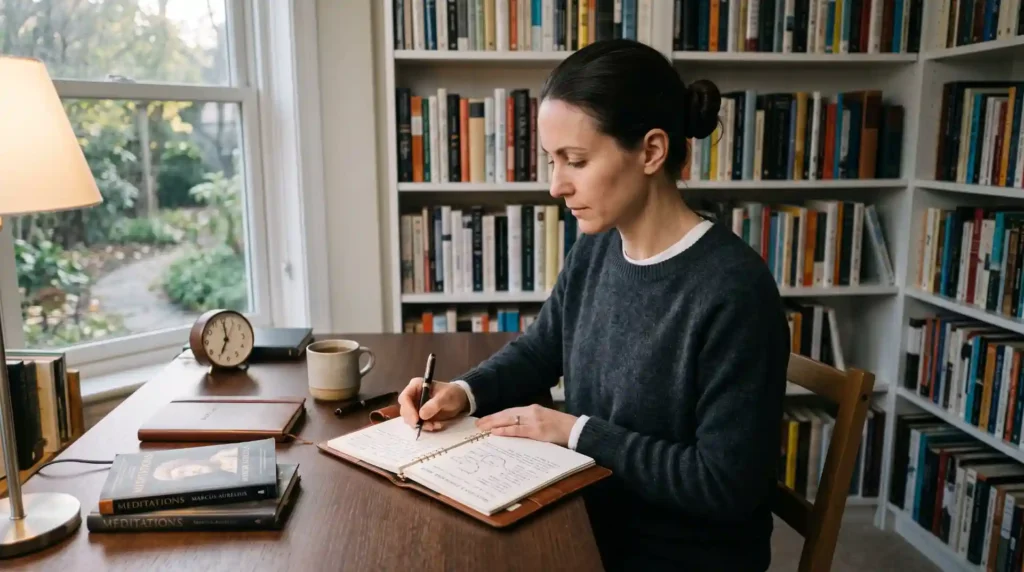
Why Systems Beat Willpower Alone
Discipline vs motivation: Many high performers lean on systems and routines instead of waiting for inspiration. Systems remove the need to decide.
A system is a set of repeated actions that you follow daily. It tells you what to do, when to do it, and how to do it. As a result, you make fewer small decisions, and you spend less energy on overthinking and emotional resistance.
Instead of asking, “Do I feel like working today?” you follow a plan that already answers the question. You do not need to negotiate with yourself. You simply follow the plan. This is why, in the discipline vs. motivation debate, systems often win: they work even when your mood does not.
Discipline Vs Motivation: Simple Systems You Can Start Today
You do not need anything complicated. Start with a few simple systems.
First, set fixed work hours. Work at the same time every day. Over time, this can help your mind link that time with focus.
Second, build a daily routine. Create a consistent morning or evening routine. A steady routine reduces mental effort and adds structure to your day.
Third, write clear task lists. Do not write “work on project.” Instead, write specific steps, such as “outline ideas,” “write the introduction,” and “edit one section.” Clarity makes action easier.
Fourth, schedule your breaks. Plan your rest so you can keep your energy steady. Regular breaks help you avoid running on empty.
Finally, design your environment. Remove distractions, keep your tools ready, and create a focused workspace. Your surroundings strongly influence your behavior, so set them up to help you.
Anchor Your System to a Daily Ritual
Discipline vs motivation: Systems work best when they have a clear cue. A daily ritual makes a lovely cue.
For example, you might whisk a cup of Canny Herbs matcha each morning at the same time. While you prepare it, review your task list. Then, when you finish your cup, begin your first task. The ritual tells your mind that the workday has started.
To be clear, matcha does not create discipline. The ritual simply gives your system a reliable time and place. Because matcha contains caffeine, avoid it late in the day if it affects your sleep. If you are pregnant or take regular medication, check with a doctor first. Any calm ritual can serve as your cue, so choose one you enjoy.
Discipline Vs Motivation: Why Discipline Feels Hard at First
Discipline takes effort, especially in the beginning. You are breaking old habits, creating new patterns, and acting without emotional support.
That feels uncomfortable. However, discomfort is a normal part of growth. It does not mean you are doing something wrong. It means you are doing something new.
When Discipline Becomes Automatic
Discipline vs motivation: At first, discipline feels forced. Over time, something changes. Repeated actions become habits, and habits start to feel automatic. What once felt hard begins to feel normal.
This process takes time. For many people, it takes weeks to months, not days. So, be patient. The effort you put in early on pays off later, when you rely less on effort and more on routine.
Build Discipline Step by Step
You do not build discipline overnight. You build it gradually. Start with one small habit, one consistent action, and one daily commitment.
For example, work for twenty minutes each day. Wake up at the same time every morning. Complete one important task before lunch. Then, build from there as these actions feel easier.
Common Mistakes That Weaken Discipline
Discipline vs motivation: A few common mistakes can slow you down. Waiting to feel ready is one of them. Trying to do too much at once is another. Being inconsistent and quitting after a bad day also hurts your progress.
Remember that discipline is not about perfection. It is about consistency, even on imperfect days. If you miss a day, simply return the next day and carry on.
Who You Are Becoming
A helpful shift is to focus on who you are becoming, not only on what you do. Identity can shape behavior, so the way you describe yourself matters.
Choose statements you can believe. For example, instead of “I am a disciplined person,” try “I am someone who keeps small promises.” This feels more honest, so it is easier to accept. As you keep those small promises, your self-image grows stronger, and your actions follow.
The Long-Term Reward of Discipline
Discipline gives you something motivation cannot provide on its own: consistency. Consistency leads to steady progress, growing confidence, and better results.
It can also give you more freedom. When you can rely on yourself, you worry less about whether you will follow through. You make a plan, and you carry it out.
If you feel unmotivated for long stretches, or if low energy affects your daily life, speak with a doctor or counselor. Support can help, and asking for it is a sign of strength.
Build Systems, Not Excuses
You will not always feel ready, feel motivated, or feel inspired.
But your system can keep you moving. It can carry you through the days when motivation disappears. Over time, it can help you build the life you want.
Success is not built on feelings. In the end, the discipline vs. motivation question comes down to what you do consistently, no matter how you feel. Start with one small system today, and pair it with a calm daily ritual, such as a cup of Canny Herbs matcha.