
Hibiscus tea side effects: Hibiscus tea is loved for many reasons. It has a rich ruby color. It has a refreshing, tangy taste. And it appears in many articles about wellness.
However, not everything natural is automatically perfect. Like anything you consume regularly, hibiscus tea deserves a clear look at both sides. In this guide, you will learn about hibiscus tea side effects, who should take extra care, and how to enjoy it safely.
Hibiscus Tea Side Effects: Why It Helps to Know Both Sides
Herbal teas feel gentle, so many people assume they are risk-free. In reality, plants contain active compounds. These compounds can affect your body, and they can interact with medicines.
Knowing the facts helps you choose well. Most healthy adults enjoy hibiscus tea without problems. Still, a few groups need extra care, and it is better to know in advance.
What Hibiscus Tea May Offer
Hibiscus tea is most often studied for blood pressure. Several reviews of clinical trials found modest drops in blood pressure in some adults, especially those with mildly high readings. Researchers do not fully understand how this happens, and the results are not perfectly consistent.
Hibiscus also contains plant pigments called anthocyanins, which act as antioxidants in the laboratory. It is caffeine-free, and it counts toward your daily fluid intake.
However, hibiscus tea is not a treatment for any disease. It is a pleasant drink with some interesting research behind it. That is exactly why the safety side matters, since the same effects that interest researchers can also cause problems for some people.
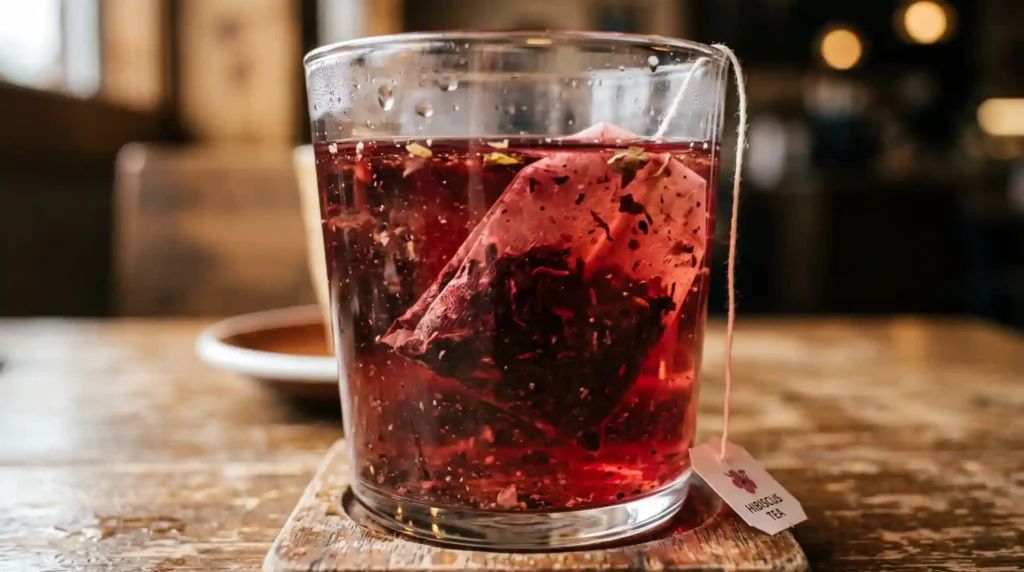
Common Hibiscus Tea Side Effects
Most people tolerate hibiscus tea well in moderate amounts. When side effects occur, they are usually mild.
Reported effects include stomach upset, nausea, gas, and headache. Some people feel dizzy or lightheaded, especially if their blood pressure runs low. Allergic reactions can happen too, although they are uncommon. Signs include a rash, itching, or swelling.
Hibiscus tea is also acidic. Sipping it all day may be hard on tooth enamel. To protect your teeth, avoid sipping it constantly, and rinse your mouth with water afterward.
Hibiscus Tea and Blood Pressure
Because hibiscus may lower blood pressure, it deserves special attention.
If you already have low blood pressure, hibiscus might push it lower. You may feel dizzy, weak, or faint. If you take medicine for high blood pressure, hibiscus could add to its effect, and your blood pressure might drop too low.
For this reason, talk to your doctor before drinking hibiscus tea regularly if you take blood pressure medication. Do not stop or change your medicine on your own. If you check your blood pressure at home, tell your doctor about any changes after you start drinking hibiscus.
Hibiscus Tea and Blood Sugar
Hibiscus may also affect blood sugar. In theory, this could be helpful. However, it can be a problem if you take diabetes medication, since hibiscus might push your blood sugar too low.
Signs of low blood sugar include shakiness, sweating, hunger, confusion, and a fast heartbeat. If you have diabetes, ask your doctor or pharmacist before you make hibiscus tea a regular habit.
Hibiscus Tea Side Effects: Medicines That May Interact With Hibiscus
Several medicines may interact with hibiscus. Medical references mention the following.
Blood pressure medicines, including water pills, may have an added effect. Diabetes medicines may have an added effect on blood sugar. Chloroquine, a malaria medicine, may be absorbed less well when taken with hibiscus tea, which could make it less effective. People who take chloroquine should avoid hibiscus tea. Hibiscus may also change how quickly the body clears acetaminophen.
This list is not complete. If you take any regular medication, ask your pharmacist or doctor whether hibiscus tea is a good fit. Bring up herbal teas at every appointment, since many people forget to mention them.
Hibiscus Tea in Pregnancy and Breastfeeding
Pregnancy needs special attention. Medical sources list hibiscus taken by mouth as possibly unsafe during pregnancy, and they advise avoiding it to stay on the safe side. Information about breastfeeding is limited.
If you are pregnant, planning to become pregnant, or nursing, check with your doctor before you drink hibiscus tea.
Hibiscus Tea Before Surgery
Hibiscus might affect blood sugar and blood pressure, which can make control harder during and after an operation. Medical references advise stopping hibiscus at least two weeks before scheduled surgery.
Tell your surgical team about any herbal teas or supplements you use. They can guide you on what to stop and when.
Hibiscus Tea Side Effects: Who Should Check With a Doctor First
Consult a healthcare professional before drinking hibiscus tea if you take blood pressure or diabetes medication, have low blood pressure, liver or kidney disease, are pregnant or breastfeeding, have surgery planned, or intend to give it to a child.
This does not mean you must avoid hibiscus. It simply means that personal advice is worth having.
How to Enjoy Hibiscus Tea Safely
For most healthy adults, a simple approach works well.
Start with one cup a day, and see how you feel. Most studies have used a few cups a day for several weeks, so longer-term daily use is less studied. Moderation is a sensible rule. Avoid concentrated hibiscus extracts and supplements unless a doctor has advised them, since stronger forms raise the chance of side effects.
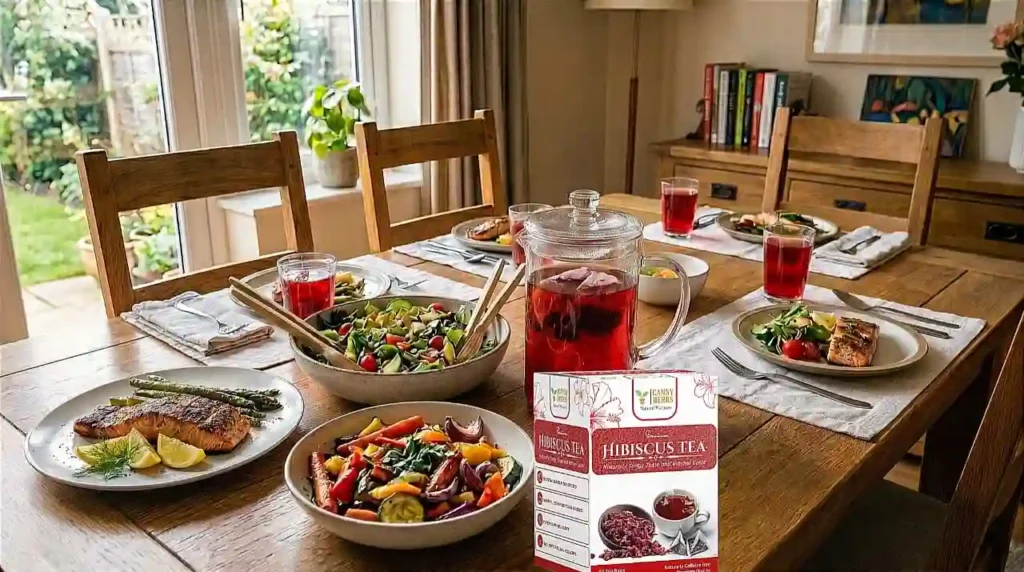
To brew a cup, use one teaspoon of dried hibiscus flowers, or one tea bag. Pour freshly boiled water over it, cover the cup, and steep for five to ten minutes. Strain, and add a little honey or lemon if you like. Pay attention to how your body responds, and stop if you feel unwell.
Hibiscus Tea Side Effects: When to Stop and Seek Help
Stop drinking hibiscus tea and seek advice if you feel dizzy or faint, or if you develop a rash, itching, or severe stomach symptoms. Seek emergency help right away if your lips, face, or tongue swell, or if you have trouble breathing.
Hibiscus Tea Side Effects: Balance Matters
Health is not about extremes. It is about balance and good information. Hibiscus tea can fit into that balance when you use it with care.
Enjoy it for its color, its tangy flavor, and the calm pause it brings. Know the facts, respect the cautions, and ask for advice when you need it. Ready to try it? Explore Canny Herbs hibiscus tea and brew a ruby-red cup with confidence.